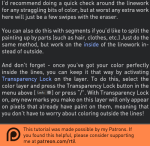
Late last year I wanted to start a series of short tutorials called Tip Jar, as a way of saying thanks to my fans and giving back to my patrons. This is the first of the series I have made, showing my technique on quickly filling in lineart so you can get to painting without coloring outside the lines faster.
Someday I hope to turn these into video tutorials when I have the income and the time, but for now I hope that I will be able to share useful tips in this infographic format.
Worth sharing because this is exaaaaactly how I do my flats! I get this question all the time when I post my process videos, and this explains it far more succinctly than I ever could. 🙂
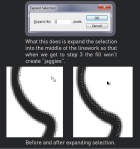
This is also how I do my flats but unfortunately with lines that are see through (or sketchier) you get a lot of jaggies all over the place. So I play with channels!
So alternatively step 1.5 is to click on the channels tab, and create a new layer. Fill the areas that you magic wand(ed) with black (leaving the characters/whatever you want to fill white). Click out of the marquee and use gaussian blur (i use 3.0 on a huge image, sometimes you need to go down for a smaller image)
Then you go to image/adjustments/levels and put in–and this is where I sound like a mad scientist–88 1.42 and 122. Which cleans up the edges so they’re pretty clean!
Then all you do is click on the circle at the bottom of the channels area (”load channel as selected) and then go back in to layers and click on a layer to load your original view again! and then do the rest of the steps. It will cause you to clean up corners a lot but it saves me a whole heck of time since i have a rougher inking style. This step takes all of 3 minutes at most but otherwise I’d have to base everything by hand :I Or spend a good 40 minutes cleaning up jaggies.
TL;DR alternative step if you have rougher/sketchier lines.
Oh! Since my lines often don’t join correctly, I create a layer underneath and fill any holes before i do selection (with “select all layers” ticked off) which is admittedly tedious but again. Way quicker than doing it by hand! So yeah if you see this and are like oh gee whiz this doesn’t work with how I do stuff, try this added step?
(this is also how to do a stroke around an image that is cleaner than what you get from the layer styles box– I adapted these steps originally from a DA tutorial on how to get clean strokes!)
I’ve been getting quite a few asks about the process for the patterns in my stylized artworks, so I decided to put together a couple of tips regarding them.
Firstly, what you need are
— CUSTOM BRUSHES —
Most of the patterns I use are custom brushes I made, such as those:
For the longest time I was convinced making brushes must be super extra complicated. I was super extra wrong. All you need to start is a transparent canvas (2500px x 2500px max):
This will be your brush tip. When you’re satisfied how it looks, click Ctrl+A to select the whole canvas and go to ‘define brush preset’ under the edit menu
You will be asked to name your new glorious creation. Choose something that describes it well, so you can easily find it between all the ‘asfsfgdgd’ brushes you’ve created to be only used once
This is it. Look at it, you have just created a photoshop brush. First time i did I felt like I was cheated my whole life. IT’S SO EASY WHY HASN’T ANYONE TOLD ME
Time to edit the Good Boi to be more random, so it can be used as a Cool Fancy Pattern. Go into brush settings and change whatever you’d like. Here’s a list of what I do for patterns:
– under Shape Dynamics, I increase Size Jitter and Angle jitter by 5%-15%
– under Brush Tip Shape, I increase spacing by a shitload. Sometimes it’s like 150%, the point is to get the initial brush tip we painted to be visible.
– If I want it to look random and noisy, I enable the Dual Brush option, which acts like another brush was put on top of the one we’ve created. You can adjust all of the Dual Brush options (Size, Spacing, Scatter, Count) as you wish to get a very nice random brush to smear on your backgrounds
The result is as above. You can follow the same steps to create whatever brush you need: evenly spaced dots that look like you painted them by hand, geometric pattern to fill the background, a line of perfectly drawn XDs and so on.
BUT WAIT, THERE’S MORE
— PATHS —
But what if you want to get lots of circles made of tiny dots? Or you need rows of triangles for your cool background? Photoshop can do all of that for you, thanks to the magic of paths.
Typically, paths window can be found right next to Layers:
Draw whatever path you want, the Shape Tool has quite a bit of options. Remember, paths are completely different from brush strokes and they won’t show up in the navigator. To move a path around, click A to enable path selection tool. You can use Ctrl+T to transform it, and if you move a path while pressing Alt it will be duplicated.
Now, pick a brush you wish really was in place of that path you’ve drawn and go to layers, then choose the layer you want it to be drawn on. Then, click this tiny circle under the Paths window:
Then witness the magic of photoshop doing the drawing for you while you wonder how tf have you managed to forget about this option for the past 2 years
You can combine special brushes and paths for all sorts of cool effects. I mostly use them in backgrounds for my cards, but you can do whatever you want with them.
I hope that answers the questions for all of the people who were sending me inquires about the patterns. If you have any questions regarding this or any other Photoshop matter feel free to message me, I’m always up for complaining about how great and terrible Photoshop is C’:
So let’s say you’re in the same boat I am (this is a running theme, have you noticed?) and you’ve just got, like, SO MUCH STUFF that HAS to get done YESTERDAY or you will DIE (or fail/get fired/mope). Everything needs to be done yesterday, you’re sick, and for whatever reason you are focusing on the least important stuff first. What to do!
Take a deep breath, because this is a boot camp in prioritization.
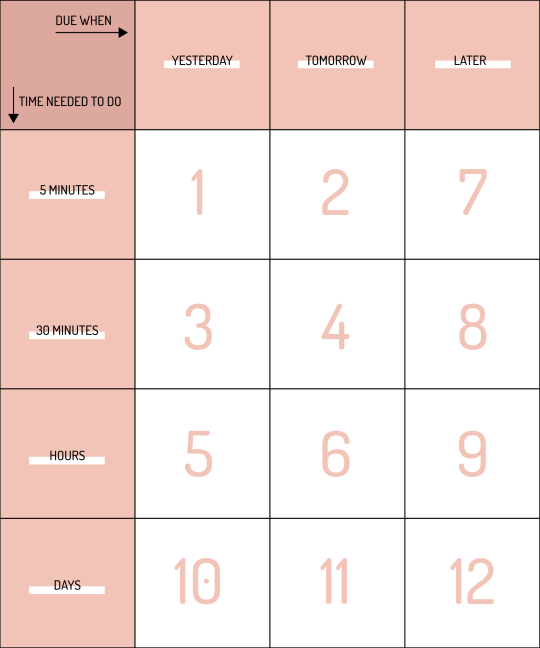
Make a 3 by 4 grid. Make it pretty big. The line above your top row goes like this: Due YESTERDAY – due TOMORROW – due LATER. Along the side, write: Takes 5 min – Takes 30 min – Takes hours – Takes DAYS.
Divide ALL your tasks into one of these squares, based on how much work you still have to do. A thank you note for a present you received two weeks ago? That takes 5 minutes and was due YESTERDAY. Put it in that square. A five page paper that’s due tomorrow? That takes an hour/hours, place it appropriately. Tomorrow’s speech you just need to rehearse? Half an hour, due TOMORROW. Do the same for ALL of your tasks
Your priority goes like this:
5 minutes due YESTERDAY
5 minutes due TOMORROW
Half-hour due YESTERDAY
Half-hour due TOMORROW
Hours due YESTERDAY
Hours due TOMORROW
5 minutes due LATER
Half-hour due LATER
Hours due LATER
DAYS due YESTERDAY
DAYS due TOMORROW
DAYS due LATER
At this point you just go down the list in each section. If something feels especially urgent, for whatever reason – a certain professor is hounding you, you’re especially worried about that speech, whatever – you can bump that up to the top of the entire list. However, going through the list like this is what I find most efficient.
Some people do like to save the 5 minute tasks for kind of a break between longer-running tasks. If that’s what you want to try, go for it! You’re the one studying here.
So that’s how to prioritize. Now, how to actually do shit? That’s where the 20/10 method comes in. It’s simple: do stuff like a stuff-doing FIEND for 20 minutes, then take a ten minute break and do whatever you want. Repeat ad infinitum. It’s how I’ve gotten through my to do list, concussed and everything.
You’ve got this. Get a drink and start – we can do our stuff together!
WOAH THIS SOUNDS HELPFUL. I’M GOING TO TRY THIS IMMEDIATELY. Also, I made a chart for myself, but if anyone else wants it for reference (or if this is wrong and I misread you can tell me) here it is:
A store-bought bag of topsoil, a roll of landscaping fabric, or a bag of cedar chips doesn’t go very far if you have a large garden or a very limited budget. Here are some ways to create the materials you need for a beautiful, organic, productive garden, by both re-directing household waste, and foraging in your local area. I use a lot of these tricks in my garden to make it almost completely free for me to continue growing new things, and expanding the workable area every year!
For soil
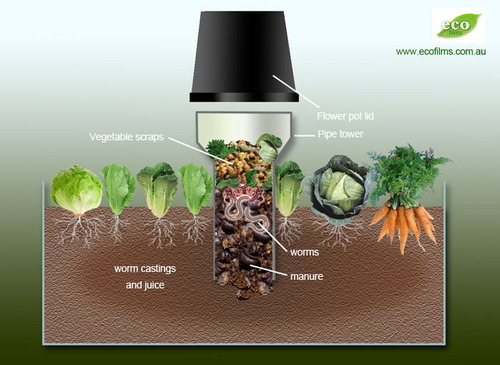
Save your food scraps to create a rich compost for growing veggies and amending your soil. There are numerous options for every size of dwelling and yard. Small space solutions such as Bokashi and vermicompost work indoors and don’t produce bad smells, so you can keep them underneath the sink.Worm towers, compost heaps, and outdoor compost binsare a great solution if you have more space. The more you add, the more rich, nutritious material you can make for your garden. I like composting because it means I don’t have gross smelly garbage bags to deal with, because food waste is diverted. It seems like a lot of work at first, but it actually saves time, money, and transportation.
There are three things that are essential for plant growth. These are nitrogen for leaves and vegetation (N), phosphorus for roots and shoots (P), and potassium for water movement, flowering, and fruiting (K). Commercial fertilisers will give the relative concentrations of each of these compounds with and “NPK” rating. Plants like tomatoes also need calcium to produce healthy fruit. You can create amendments for your garden and soil at home so that you do not have to purchase fertiliser.
Human urine contains 12% nitrogen, and it’s sterile. Dilute before adding directly to plants.
Legumes such as beans, clover, peanuts, and alfalfa fix inorganic nitrogen into the soil with mycorrhizal organisms and nodules on their root systems. Plant these crops every few years in rotation with others to renew the soil organically.
For phosphorus
Human urine is also a great source of phosphorous and trace amounts of potassium.
Many plants are particular about what the soil pH should be.
To make soil more acidic: add oak leaves, pine needles, leaf mulch, urine, coffee grounds or sphagnum.
To make soil more alkaline: add wood ash, shell, or bone.
Mulch
Mulch is decomposing organic matter that adds nutrition to the soil, while simultaneously keeping out weed growth and retaining moisture. It also attracts worms, fungi and other beneficial creatures to your soil. Free sources of mulch include:
Leaves
Garden waste
Grass clippings
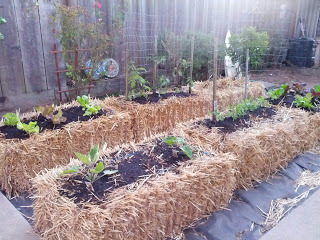
Straw (often straw bales are given away after being used for decoration in the fall. You can also plant vegetables directly in straw bales using a technique called straw bale gardening).
Wood chips (if you can borrow a wood chipper after you’ve collected some wood you can have attractive wood mulch for free)
When mulch isn’t enough to keep the weeds down, many people opt for landscaping fabric. It can be quite expensive and inorganic-looking. Free solutions that both attract worms and can be replaced in small segments as they break down include:
Newspaper*
Cardboard*
Egg cartons*
Printer paper, looseleaf, etc. in thick layers*
*try to make sure you are using paper that has vegetable-based dyes, so you aren’t leeching toxins into the soil.
Soil density/drainage
If your soil is compacted and you have plants that require low levels of water, or excellent drainage, add sand. I don’t recommend stealing it from the beach, but ask around and you’d be surprised at how easy it is to get for free. Sawdust also improves drainage. Adding organic matter and mulch encourages worms, who also till and aerate compacted soil.
If the area still needs drainage, dig a hole and fill it with bricks or rocks to create a “dry well”
For drainage in pots, add crushed bricks,terra cotta pot fragments, packing peanuts, small stones, marbles, orsand to the bottom under the soil layer. I find these in construction sites, on craigslist, or at flea markets.
Pots and growing containers
If you have space, raised beds are a great no-dig way to establish growing space. If you are pressed for space (like working on a balcony) there are many cheap or free options for container gardens.
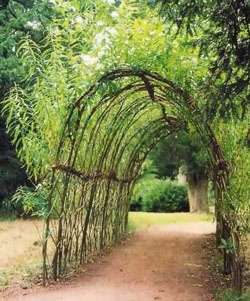
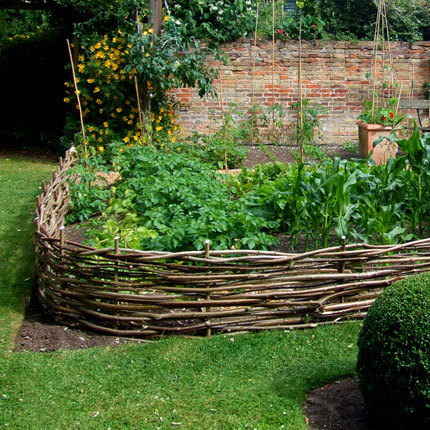
Creating raised beds allows you to build up the soil without digging. Free ways to do this include using rocks or lumber (like my DIY “lasagna garden” made with the sheet composting technique), using the “wattle“ method with sticks and posts you have found, using discarded straw bales, old bricks,paving stones,cinder blocks or really anything else you have lying around.
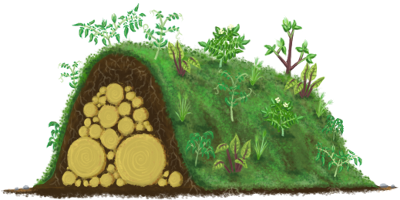
Hugelkutur raised beds, which fix carbon and provide drainage, can be made by stacking sticks and untreated wood, and then piling soil or compost over it. (Thanks milos-garden)
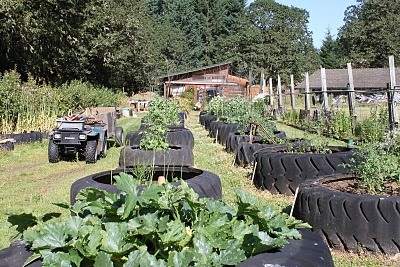
Rubber tire gardens retain heat in the night and allow for great drainage. They can also be painted in fun ways.
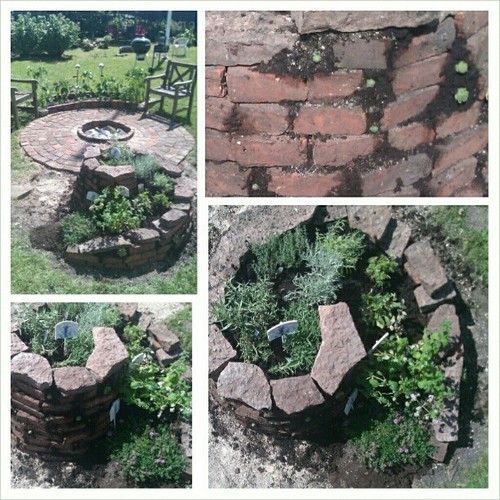
Herb spirals (here is mine: 1, 2, 3) can be built with stones, bricks, and other found materials.
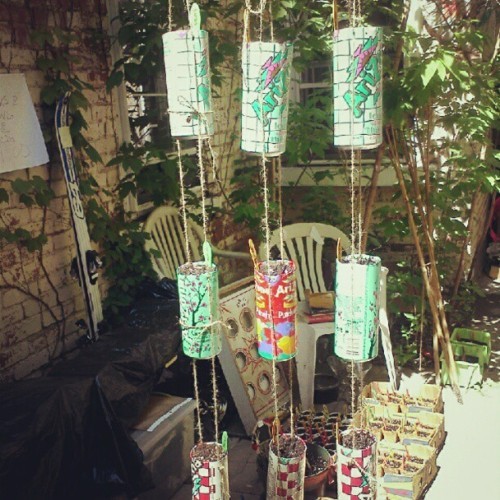
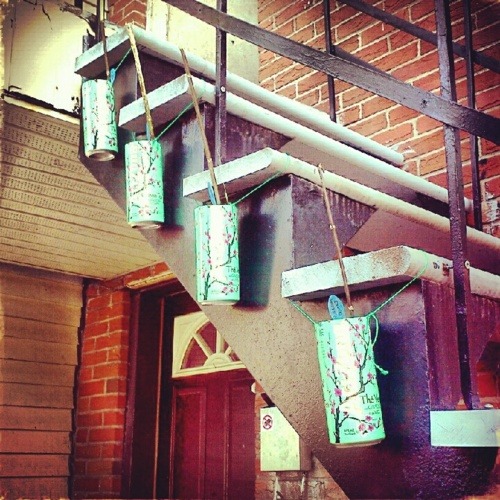
I often use old cooking pots, barbecues, teapots, or other found objects as planters.
If you can track down peat moss, cement, and vermiculite, you can make an easy Hypertufa planter in whatever shape you would like, provided you have a form in which it can dry.
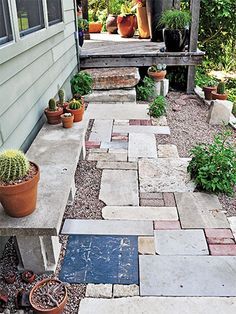
Paving often requires a foundation of sand or another stable and well-drained substrate, and a covering of stones, bricks, or other weatherproof elements. Slowly collect stones over time, or free paving stone fragments to create a mosaic-type walkway. Often people give these things away on craigslist. I made a patio and fireplace out of free salvaged bricks, for example.
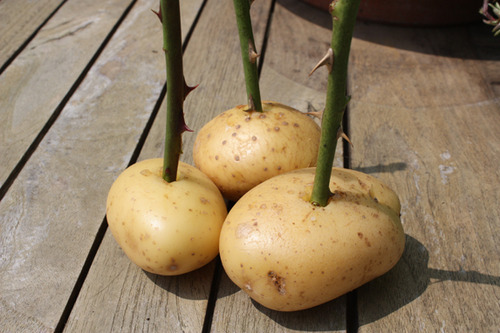
Save seeds from foods you like from the grocery store: consider growing peanuts, ginger, garlic, peppers, or a walnut tree: all of these and more can be planted from store-bought produce.
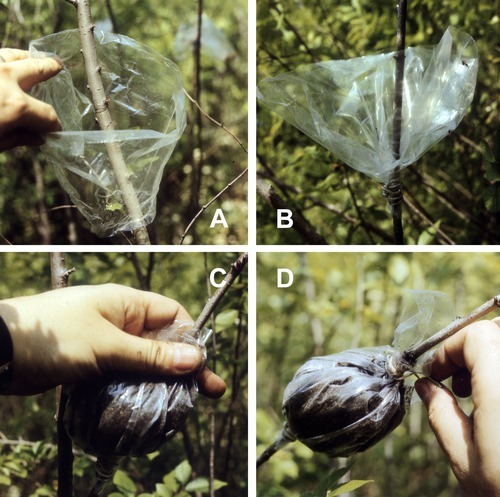
Learn to take cuttings. There is a tonne of info on the web about basic cutting propagation, layering, (like I do with rhododendrons) air layering, and numerous other techniques to take clones of plants you like. This saves going to a nursery and shelling out big bucks for all the variety you want.
For cuttings, willow tea and honey are great rooting hormones/antiseptics/anti-fungal agents, which can save you $40 if you were thinking of buying commercial rooting hormone.
I hope this helps you build your garden outside of the usual capitalist channels! It can be a cheap or free hobby if you are willing to think outside the box, and maybe put up with things that don’t look as clean or crisp as a hardware store catalogue.
If you have any further ideas, please add them! The more information the better.
Drainage for pots can also be achieved with styrofoam, pine cones, bark, twigs and branches, etc. We’ve used mostly sweetgum fruit in our last few pots and had good results with it!
P I S S O N Y O U R P L A N T S
but actually a lot of this is super sound advice and I want to try a lot of it
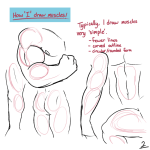
Like I said, I’m not good at explaining things, but I hope this helped at least a little bit! I didn’t really mention this in the tutorial, but my way of drawing is obviously stylized…most of the characters I draw have short torsos, long legs, hands and feet that are either too big or too small, and of course big heads, facial features and hair, if you want to try anything like that! I wasn’t entirely sure what to say, so if theres anything more specific you want to ask, go ahead and I’ll try to answer it !!
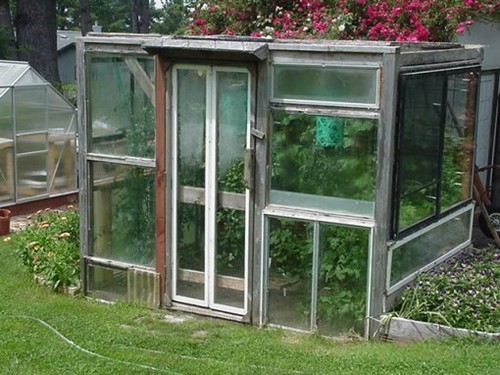
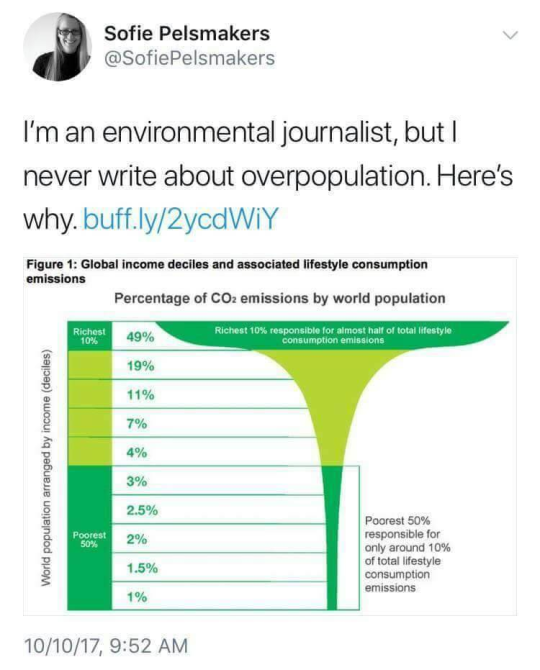
Secondly, we grow it very inefficiently. We could very easily increase the food yield of a given area of land by building a greenhouse on it (which also reduces water loss) and using poly-cultures instead of mono-cultures; the reason our preferred method is open-air mono-culture farms, which are susceptible to erosion and blight and requires a god-awful amount of water to stay hydrated, is that labor is expensive and land is cheap.
In fact, if we took it even further–growing our food in carbon dioxide-rich environments lit with artificial lighting 24 hours a day (or at least at night)–you only need 1-2000 square feet of farmland per person. Admittedly, you pretty much have to have fusion power for this to be an environmentally and economically viable option, but still; the point is, we could easily condense our environmental footprint by a shit-ton (and even more options will be available in the future) without decreasing our population one iota.
“There is still a maximum carrying capacity the planet has.”
Indeed there is. And do you know what that carrying capacity is? It’s ten trillion. And the cut off isn’t space or resources–it’s waste heat. The things we’d have to do to get there aren’t exactly the sort of things we could do overnight–hell, we don’t actually know how to fusion yet–but they’re all well within the realm of the physically possible.
We’re all going to die because the rich are selfish and their cronies are too.
You must be logged in to post a comment.