There’s this guy that sits in front of me who you would think is a conservative redneck bc his entire aesthetic is southern lumberjack w boots and denim and hats but he’s actually one of the most inclusive and anti trump guy I’ve ever met and today he wore this hat that sums up his entire personality and I’m screaming.
Don’t judge a book by its cover; make cornbread, not war.
A store-bought bag of topsoil, a roll of landscaping fabric, or a bag of cedar chips doesn’t go very far if you have a large garden or a very limited budget. Here are some ways to create the materials you need for a beautiful, organic, productive garden, by both re-directing household waste, and foraging in your local area. I use a lot of these tricks in my garden to make it almost completely free for me to continue growing new things, and expanding the workable area every year!
For soil
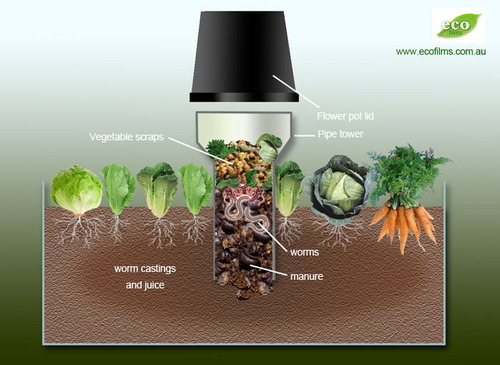
Save your food scraps to create a rich compost for growing veggies and amending your soil. There are numerous options for every size of dwelling and yard. Small space solutions such as Bokashi and vermicompost work indoors and don’t produce bad smells, so you can keep them underneath the sink.Worm towers, compost heaps, and outdoor compost binsare a great solution if you have more space. The more you add, the more rich, nutritious material you can make for your garden. I like composting because it means I don’t have gross smelly garbage bags to deal with, because food waste is diverted. It seems like a lot of work at first, but it actually saves time, money, and transportation.
There are three things that are essential for plant growth. These are nitrogen for leaves and vegetation (N), phosphorus for roots and shoots (P), and potassium for water movement, flowering, and fruiting (K). Commercial fertilisers will give the relative concentrations of each of these compounds with and “NPK” rating. Plants like tomatoes also need calcium to produce healthy fruit. You can create amendments for your garden and soil at home so that you do not have to purchase fertiliser.
Human urine contains 12% nitrogen, and it’s sterile. Dilute before adding directly to plants.
Legumes such as beans, clover, peanuts, and alfalfa fix inorganic nitrogen into the soil with mycorrhizal organisms and nodules on their root systems. Plant these crops every few years in rotation with others to renew the soil organically.
For phosphorus
Human urine is also a great source of phosphorous and trace amounts of potassium.
Many plants are particular about what the soil pH should be.
To make soil more acidic: add oak leaves, pine needles, leaf mulch, urine, coffee grounds or sphagnum.
To make soil more alkaline: add wood ash, shell, or bone.
Mulch
Mulch is decomposing organic matter that adds nutrition to the soil, while simultaneously keeping out weed growth and retaining moisture. It also attracts worms, fungi and other beneficial creatures to your soil. Free sources of mulch include:
Leaves
Garden waste
Grass clippings
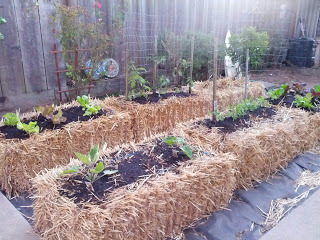
Straw (often straw bales are given away after being used for decoration in the fall. You can also plant vegetables directly in straw bales using a technique called straw bale gardening).
Wood chips (if you can borrow a wood chipper after you’ve collected some wood you can have attractive wood mulch for free)
When mulch isn’t enough to keep the weeds down, many people opt for landscaping fabric. It can be quite expensive and inorganic-looking. Free solutions that both attract worms and can be replaced in small segments as they break down include:
Newspaper*
Cardboard*
Egg cartons*
Printer paper, looseleaf, etc. in thick layers*
*try to make sure you are using paper that has vegetable-based dyes, so you aren’t leeching toxins into the soil.
Soil density/drainage
If your soil is compacted and you have plants that require low levels of water, or excellent drainage, add sand. I don’t recommend stealing it from the beach, but ask around and you’d be surprised at how easy it is to get for free. Sawdust also improves drainage. Adding organic matter and mulch encourages worms, who also till and aerate compacted soil.
If the area still needs drainage, dig a hole and fill it with bricks or rocks to create a “dry well”
For drainage in pots, add crushed bricks,terra cotta pot fragments, packing peanuts, small stones, marbles, orsand to the bottom under the soil layer. I find these in construction sites, on craigslist, or at flea markets.
Pots and growing containers
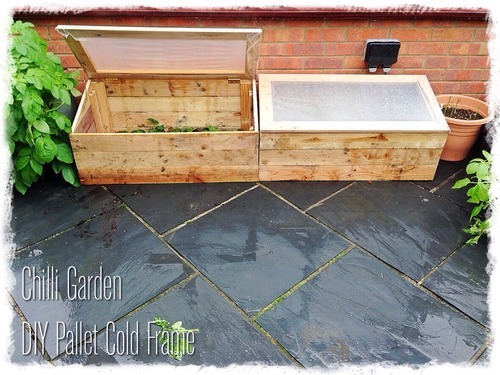
If you have space, raised beds are a great no-dig way to establish growing space. If you are pressed for space (like working on a balcony) there are many cheap or free options for container gardens.
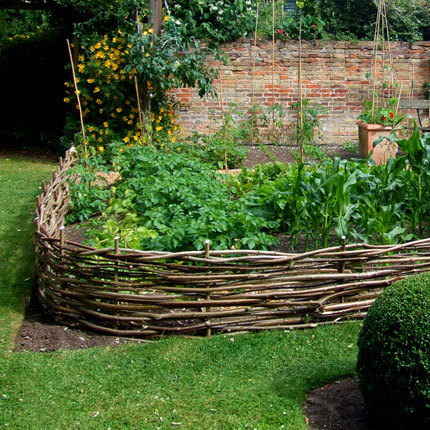
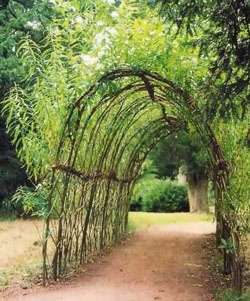
Creating raised beds allows you to build up the soil without digging. Free ways to do this include using rocks or lumber (like my DIY “lasagna garden” made with the sheet composting technique), using the “wattle“ method with sticks and posts you have found, using discarded straw bales, old bricks,paving stones,cinder blocks or really anything else you have lying around.
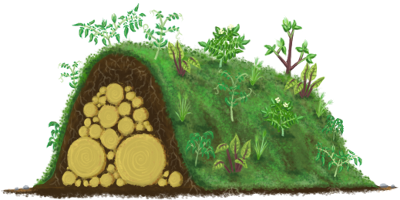
Hugelkutur raised beds, which fix carbon and provide drainage, can be made by stacking sticks and untreated wood, and then piling soil or compost over it. (Thanks milos-garden)
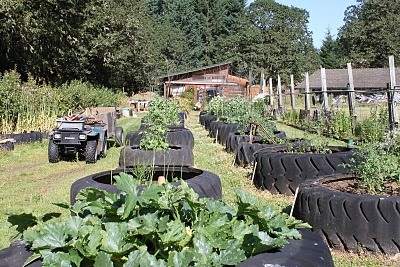
Rubber tire gardens retain heat in the night and allow for great drainage. They can also be painted in fun ways.
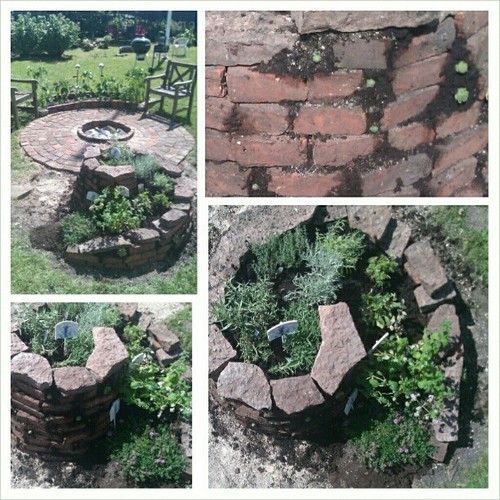
Herb spirals (here is mine: 1, 2, 3) can be built with stones, bricks, and other found materials.
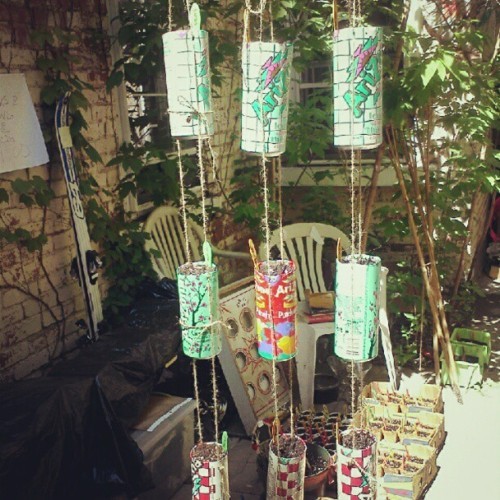
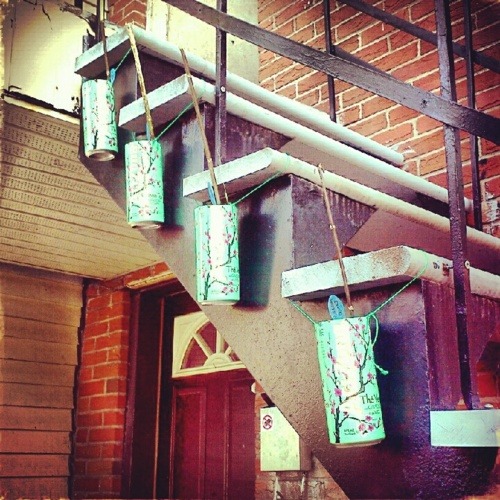
I often use old cooking pots, barbecues, teapots, or other found objects as planters.
If you can track down peat moss, cement, and vermiculite, you can make an easy Hypertufa planter in whatever shape you would like, provided you have a form in which it can dry.
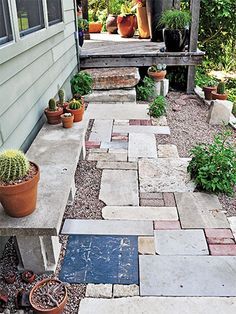
Paving often requires a foundation of sand or another stable and well-drained substrate, and a covering of stones, bricks, or other weatherproof elements. Slowly collect stones over time, or free paving stone fragments to create a mosaic-type walkway. Often people give these things away on craigslist. I made a patio and fireplace out of free salvaged bricks, for example.
Save seeds from foods you like from the grocery store: consider growing peanuts, ginger, garlic, peppers, or a walnut tree: all of these and more can be planted from store-bought produce.
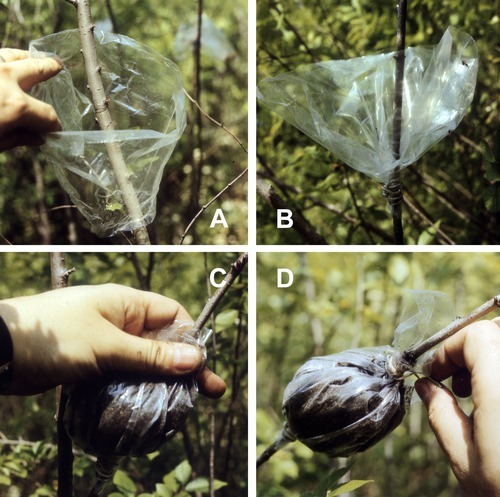
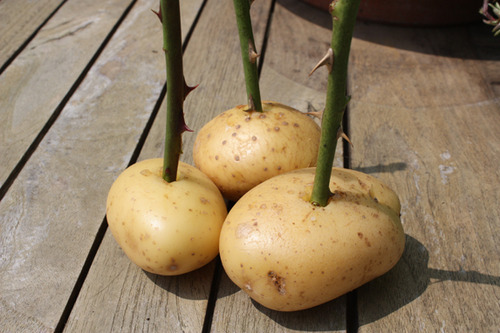
Learn to take cuttings. There is a tonne of info on the web about basic cutting propagation, layering, (like I do with rhododendrons) air layering, and numerous other techniques to take clones of plants you like. This saves going to a nursery and shelling out big bucks for all the variety you want.
For cuttings, willow tea and honey are great rooting hormones/antiseptics/anti-fungal agents, which can save you $40 if you were thinking of buying commercial rooting hormone.
I hope this helps you build your garden outside of the usual capitalist channels! It can be a cheap or free hobby if you are willing to think outside the box, and maybe put up with things that don’t look as clean or crisp as a hardware store catalogue.
If you have any further ideas, please add them! The more information the better.
Drainage for pots can also be achieved with styrofoam, pine cones, bark, twigs and branches, etc. We’ve used mostly sweetgum fruit in our last few pots and had good results with it!
P I S S O N Y O U R P L A N T S
but actually a lot of this is super sound advice and I want to try a lot of it
you have been visited by the seven magic dragon balls your biggest wish will be granted but only if you reblog
Couldn’t risk it.
didn’t realize they change colors. now I know o gotta wish.
THIS SHIT IS REAL I GOT THE JOB I WAS NUTS ABOUT BC I REBLOGGED THIS YESTERDAY maybe it’s a coinkidink but it okay just take the necessary steps to achieve what you’re wishing for and YOU CAN DO IT
Like I said, I’m not good at explaining things, but I hope this helped at least a little bit! I didn’t really mention this in the tutorial, but my way of drawing is obviously stylized…most of the characters I draw have short torsos, long legs, hands and feet that are either too big or too small, and of course big heads, facial features and hair, if you want to try anything like that! I wasn’t entirely sure what to say, so if theres anything more specific you want to ask, go ahead and I’ll try to answer it !!
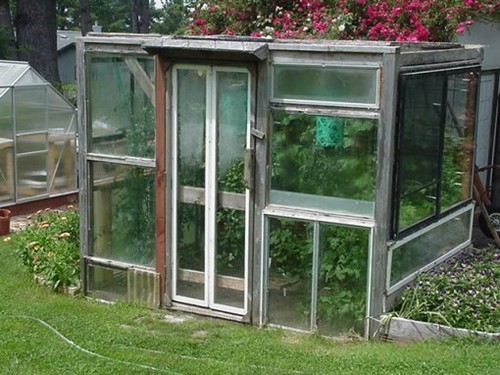
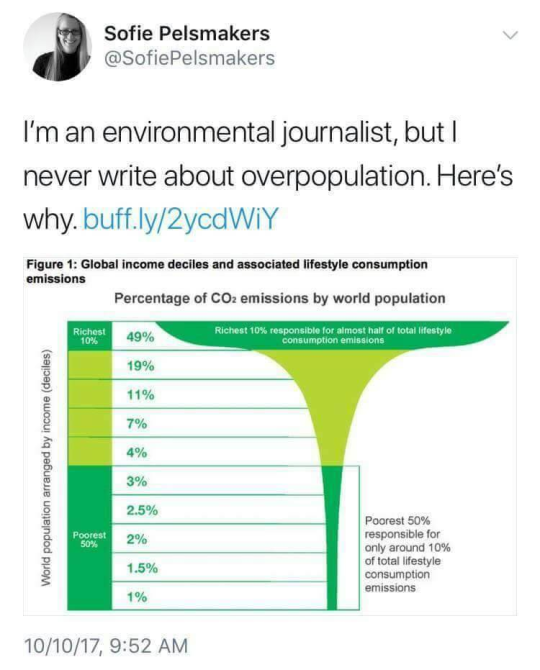
Secondly, we grow it very inefficiently. We could very easily increase the food yield of a given area of land by building a greenhouse on it (which also reduces water loss) and using poly-cultures instead of mono-cultures; the reason our preferred method is open-air mono-culture farms, which are susceptible to erosion and blight and requires a god-awful amount of water to stay hydrated, is that labor is expensive and land is cheap.
In fact, if we took it even further–growing our food in carbon dioxide-rich environments lit with artificial lighting 24 hours a day (or at least at night)–you only need 1-2000 square feet of farmland per person. Admittedly, you pretty much have to have fusion power for this to be an environmentally and economically viable option, but still; the point is, we could easily condense our environmental footprint by a shit-ton (and even more options will be available in the future) without decreasing our population one iota.
“There is still a maximum carrying capacity the planet has.”
Indeed there is. And do you know what that carrying capacity is? It’s ten trillion. And the cut off isn’t space or resources–it’s waste heat. The things we’d have to do to get there aren’t exactly the sort of things we could do overnight–hell, we don’t actually know how to fusion yet–but they’re all well within the realm of the physically possible.
We’re all going to die because the rich are selfish and their cronies are too.

















 lav3nderwolftumblr
You must be logged in to post a comment.